The No-Cook Week
A short list of genuinely good no-cook meals, kept in reserve for the weeks — sick, slammed, travelling — when cooking simply isn't going to happen.
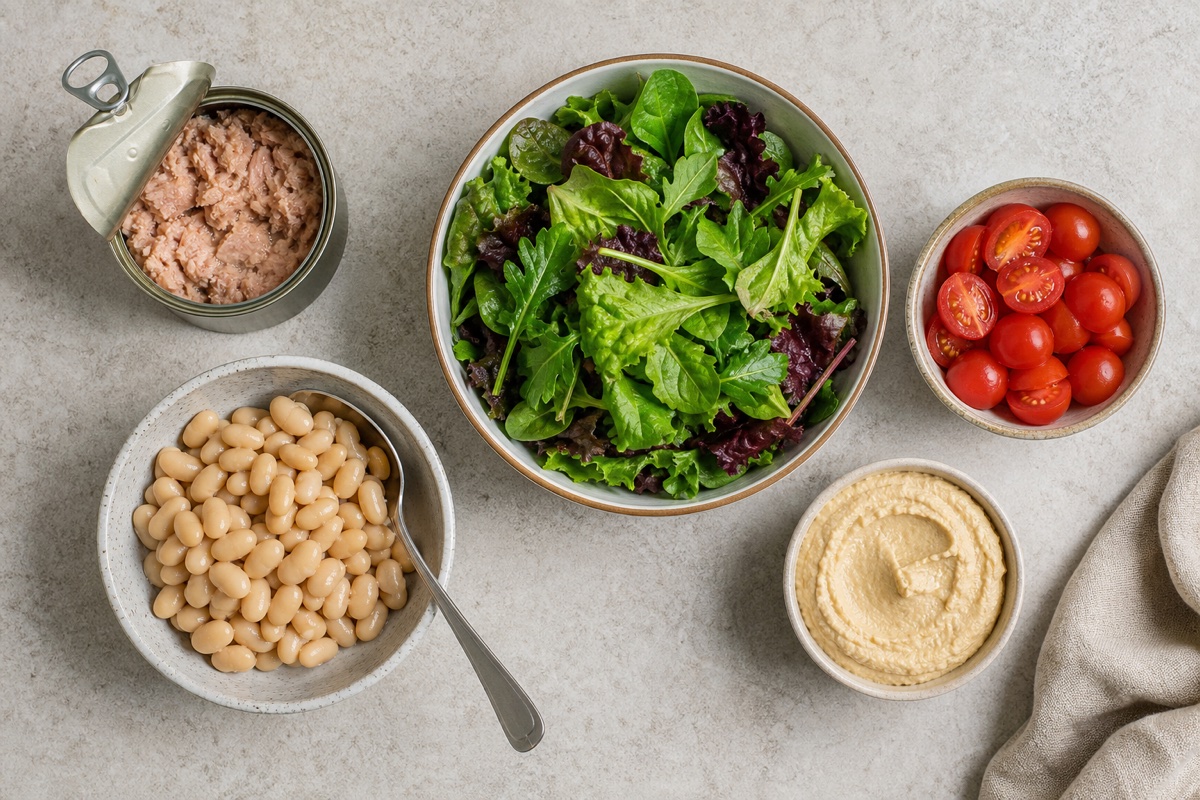
Some weeks, the honest answer to “will I cook” is no — not because of a lack of willpower, but because you’re sick, slammed, or it’s 38 degrees and turning on an oven feels hostile. The No-Cook Week isn’t a diet philosophy, it’s a short list of meals that are actually good with zero heat involved, kept in reserve for exactly those weeks.
Why this needs to be planned, not improvised. The failure mode of a no-cook week isn’t lack of options — it’s defaulting to whatever’s fastest to order in, which is fine occasionally and expensive as a pattern. Having two or three genuinely good no-cook meals already worked out means the fallback isn’t takeaway by default.
The core list. Tuna and white bean salad covers lunch or a light dinner in ten minutes from pantry staples. Overnight protein oats covers breakfast with zero morning effort at all, since it’s made the night before. Both keep a full pantry stock — tinned beans, tinned fish, oats — as the actual infrastructure behind this system, not a specific shopping trip.
This isn’t about giving up on nutrition, it’s about being honest about capacity. A tuna and bean salad has more protein and fibre than most delivery options at a fraction of the cost and none of the decision fatigue of scrolling an app. The bar during a genuinely bad week isn’t “cook something impressive” — it’s “eat something that isn’t cereal for the third meal running.”
When to retire it. As soon as the week normalises, this system steps back and the Two-Pot Week or Desk Lunch Rotation take back over. The No-Cook Week is a reserve system, not the default — it’s there so a bad week doesn’t derail the ones on either side of it.
Recipes and guides for this system
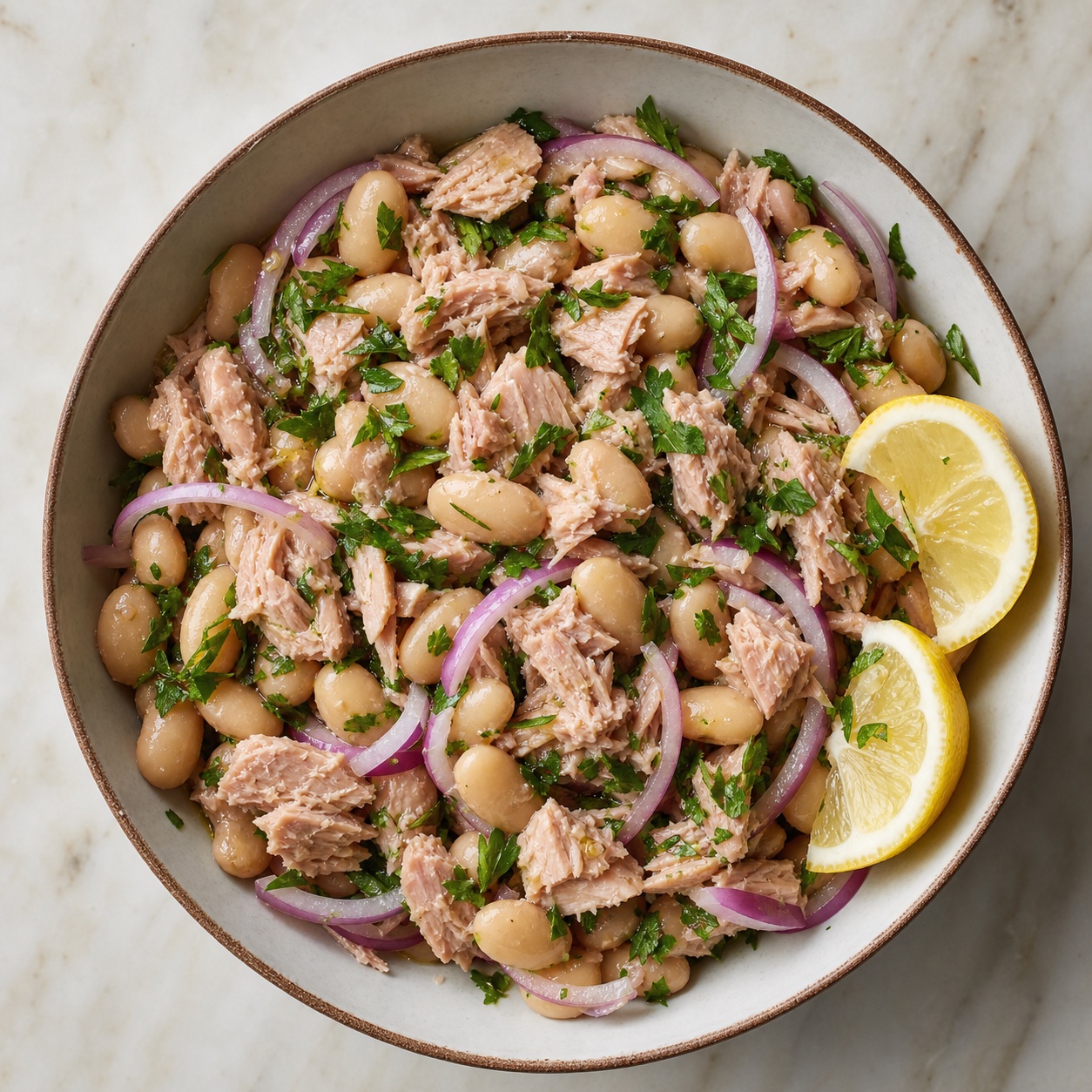
No-Cook Tuna and White Bean Salad
Canned tuna, white beans, and a sharp lemon-caper dressing — ten minutes, zero heat, and it packs well for tomorrow's desk lunch.
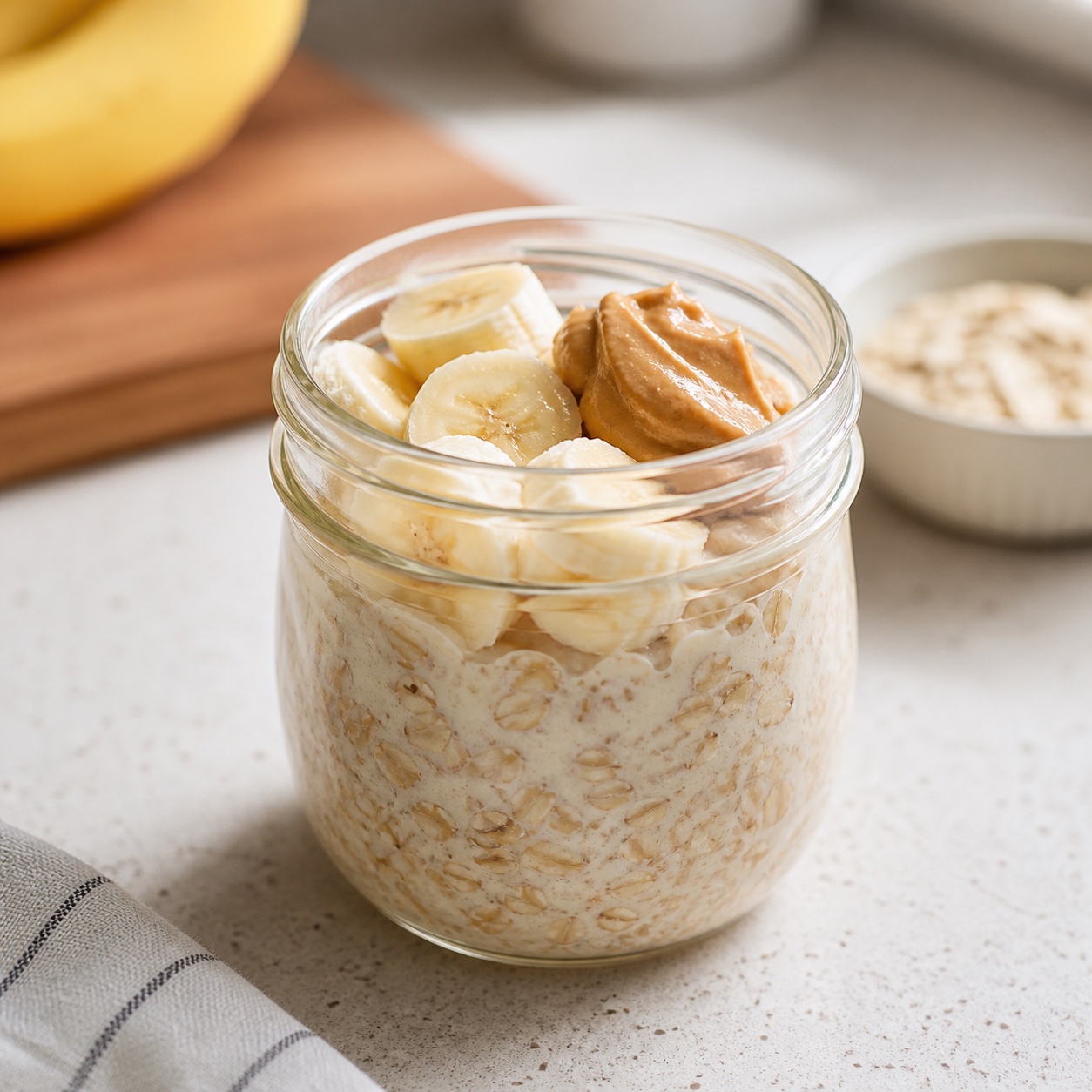
Overnight Protein Oats
Oats, protein, and milk left in the fridge overnight — breakfast that's already finished by the time you're awake enough to make decisions.
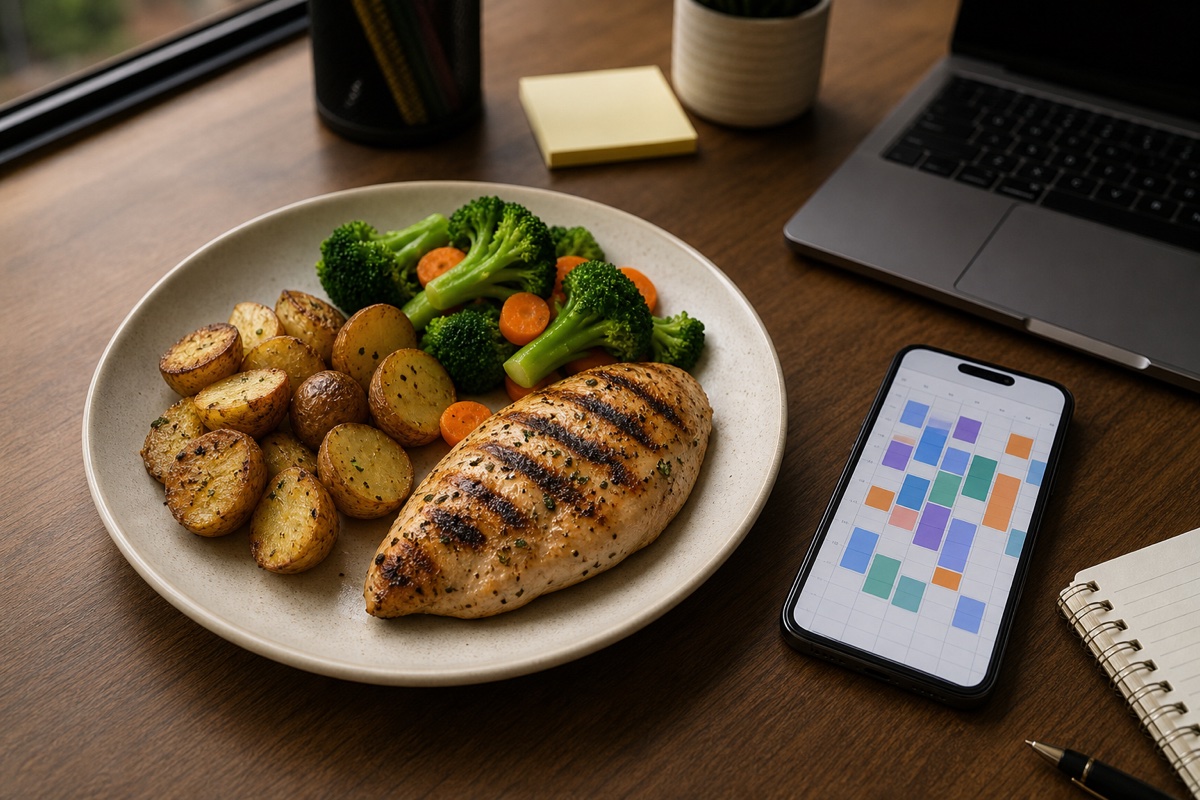
How to Eat Well During a Deadline Week
A permission-giving guide to eating reasonably well when cooking isn't happening — no extremes, no guilt, just a lower-effort version of the system.