Fundamentals
How to Read a Nutrition Label Without Losing an Hour
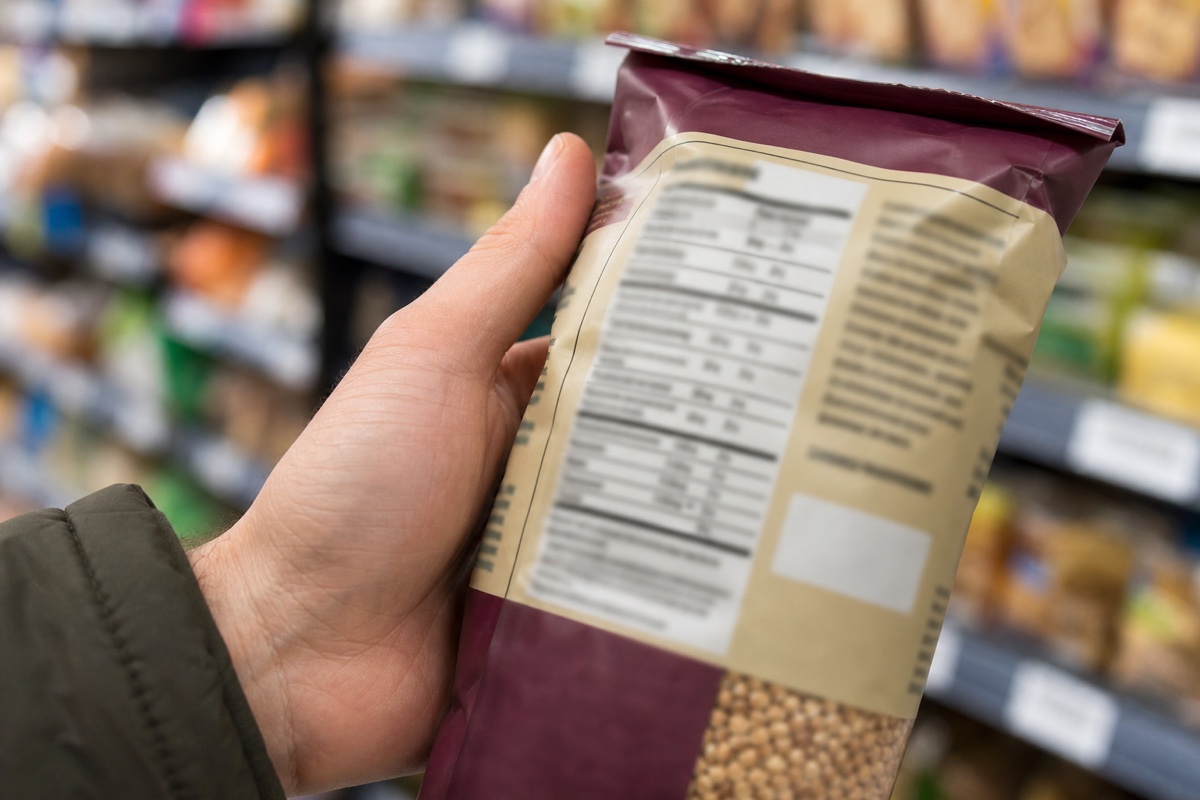
The four numbers on an Australian nutrition panel worth actually checking, and the ones you can safely ignore most of the time.
Practical, evergreen explainers — not myth-busting takedowns, not trend coverage. Each guide is written to still be true and useful in three years, organised into five pillars.
The philosophy and mechanics of building a repeatable food structure once, instead of deciding what to eat from scratch every single day.
The cognitive-performance angle: blood sugar, hydration, and protein timing, in plain language, for people whose job is mostly sitting and thinking.
Shopping systems, batch-prep technique, and the short list of kitchen tools that actually earn their drawer space.
Keeping the system alive when you're not cooking — travel, deadline weeks, and the nights the kitchen just isn't happening.
Foundational, evergreen explainers — what "protein-forward" actually means, how to read a label, the mechanics behind the advice.
Start here
The four numbers on an Australian nutrition panel worth actually checking, and the ones you can safely ignore most of the time.
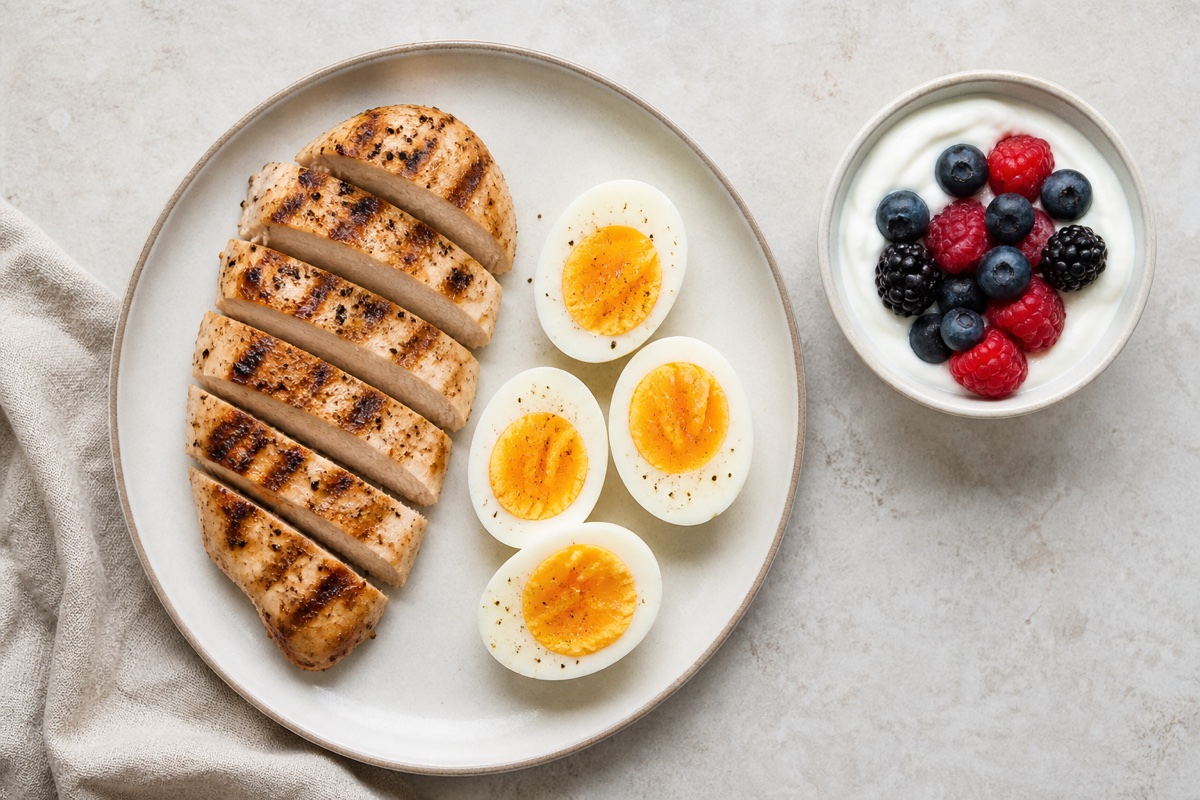
Why one repeatable, boring-on-purpose breakfast beats a rotating menu — and the exact bowl I default to most weekday mornings.
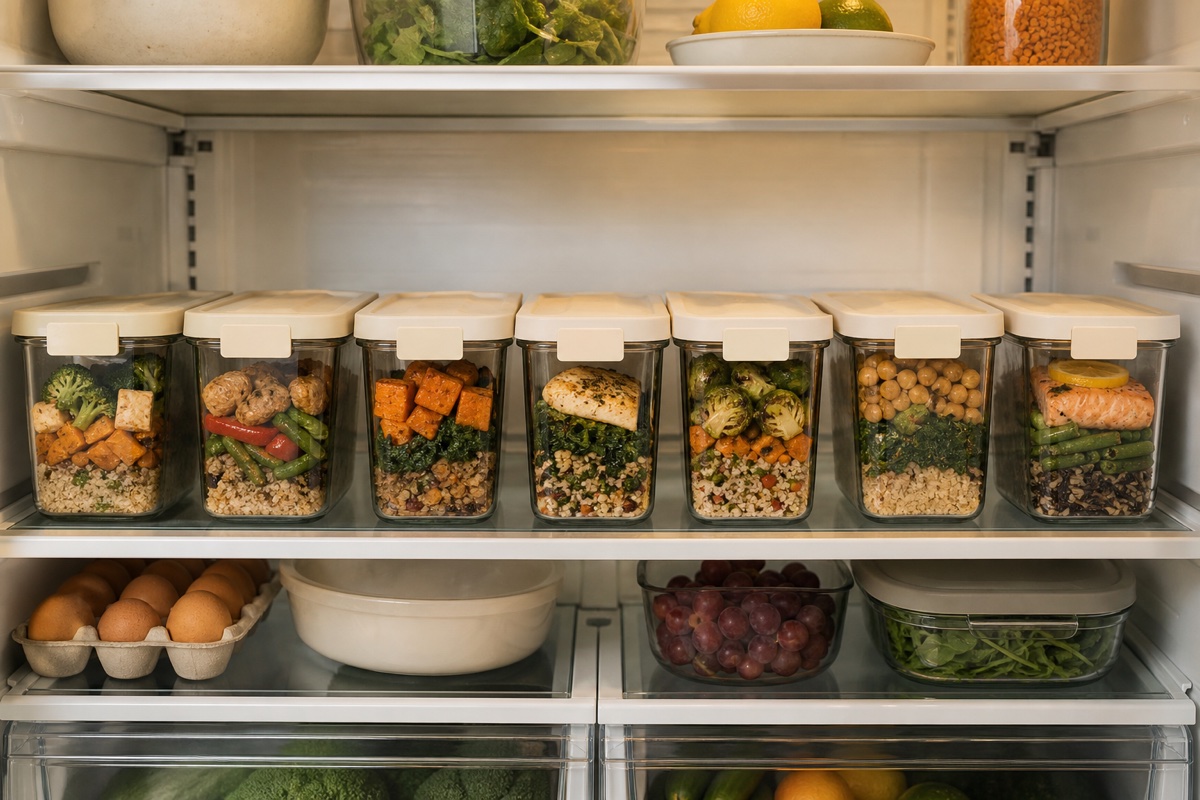
Why 'what's for dinner' should be a solved problem by Sunday night, not a daily question — and how to actually build that system.
Where the '25g per meal' rule of thumb actually comes from, what it's useful for, and where it stops being a hard rule and starts being a habit.
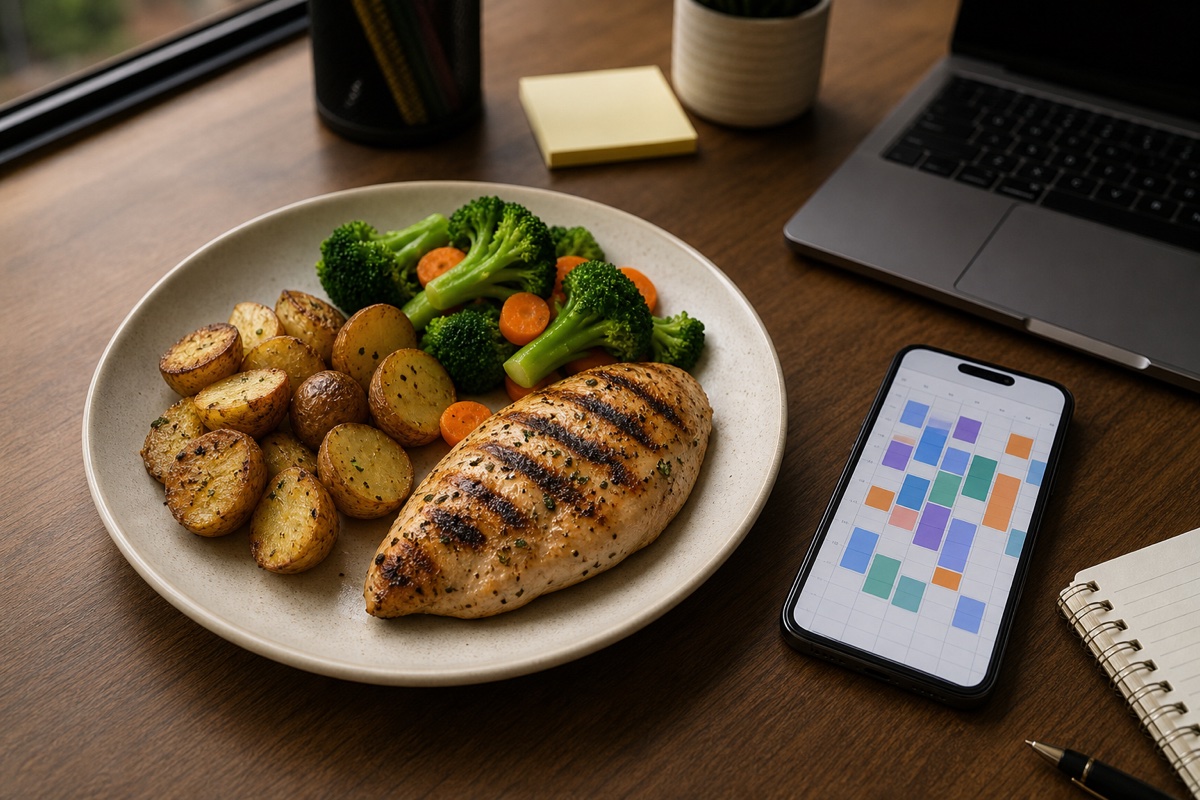
The specific eating pattern that holds up during a development sprint or any other stretch of consecutive long, high-focus days.
A permission-giving guide to eating reasonably well when cooking isn't happening — no extremes, no guilt, just a lower-effort version of the system.
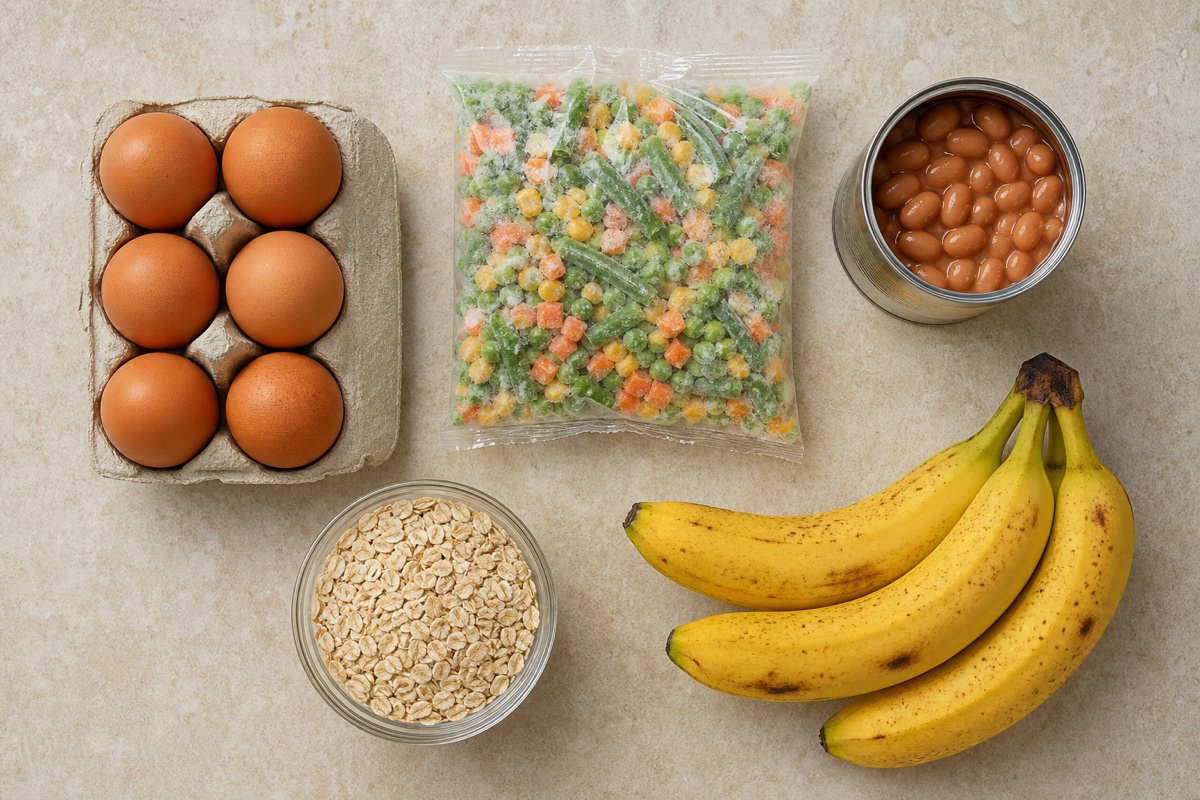
A short, boring shopping list that covers most weeknight meals — the pantry staples worth always having, before anything more interesting.
The mechanics of blood sugar and attention, and what to actually eat before three or four hours of uninterrupted deep work.
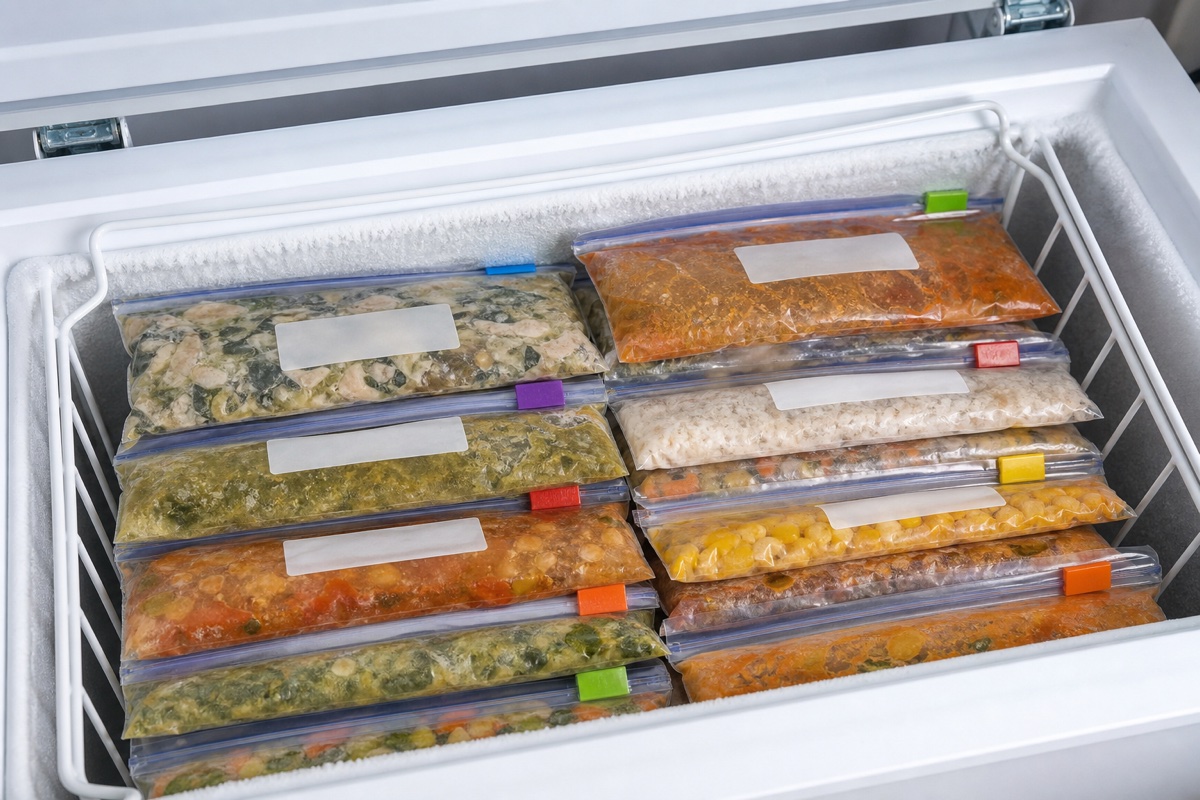
A step-by-step system for building a rotating freezer buffer that survives your busiest weeks — not a stockpile you forget about.