Fuel for Sprints: Eating Around a Deadline Week


A single long day is manageable on will alone — bad sleep, a rushed lunch, too much coffee, and you recover overnight. A sprint is different: five to ten consecutive days of the same pattern, where small daily deficits stop resetting and start compounding. By day four, the version of “just push through” that worked on day one stops working the same way.
The compounding problem
Skip lunch once and you’re irritable by 4pm. Skip a proper lunch four days running during a sprint and you’re dealing with cumulative fatigue, worse sleep from the extra caffeine covering for it, and attention that degrades earlier each day than the day before. None of this shows up as a single dramatic crash — it shows up as a slow decline that’s easy to blame on the sprint itself rather than the eating pattern underneath it.
What actually holds up across multiple long days
Consistency matters more than optimisation here. The same reasonably protein-forward breakfast and lunch, repeated daily without much variation, beats an elaborate meal plan that takes real thought to execute — thought you don’t have spare capacity for by day three of a sprint. Eggs and greens or a protein smoothie both work precisely because they’re fast enough to repeat daily without becoming their own decision each morning.
Hydration is the most-skipped lever during a sprint specifically
Long stretches at a desk with attention locked on a screen make it easy to go hours without drinking anything, and mild dehydration produces a fatigue and concentration drop that’s easy to misattribute to the workload itself rather than simple water intake. Keeping a bottle visibly at your desk is a bigger lever during a sprint than almost any specific food choice.
Caffeine timing matters more under sustained load
A coffee that works fine on an isolated hard day can backfire across a sprint if it’s covering for insufficient sleep night after night — the jittery, unfocused feeling of too much caffeine on too little rest gets harder to distinguish from genuine fatigue the longer a sprint runs. Spacing caffeine earlier in the day and cutting it off by early afternoon tends to protect the sleep that the rest of the sprint depends on.
What to actually prep before a known sprint starts
If a sprint is scheduled rather than sudden, the useful preparation is stocking two or three fifteen-minute meals and making sure the freezer buffer has something in it, rather than trying to meal-plan every day of the sprint in detail. A simple, repeatable floor beats an ambitious plan that won’t survive day three regardless.
Where this connects to the rest of the workday
This piece covers the nutrition side of the equation specifically. For the fuller day-by-day routines — how this fits around standups, focus blocks, and the rest of an actual sprint schedule — that’s exactly the territory Daily Fuel is built for; it’s the sibling site aimed squarely at creators and developers structuring an entire workday, not just what’s on the plate.
Frequently asked questions
What's different about a sprint week versus a normal busy week?
Duration and consistency — a sprint isn't one bad day, it's five or ten consecutive days of long hours and high cognitive load, which means small daily deficits (dehydration, skipped meals, too much caffeine) compound instead of resetting overnight.
Related guides and recipes
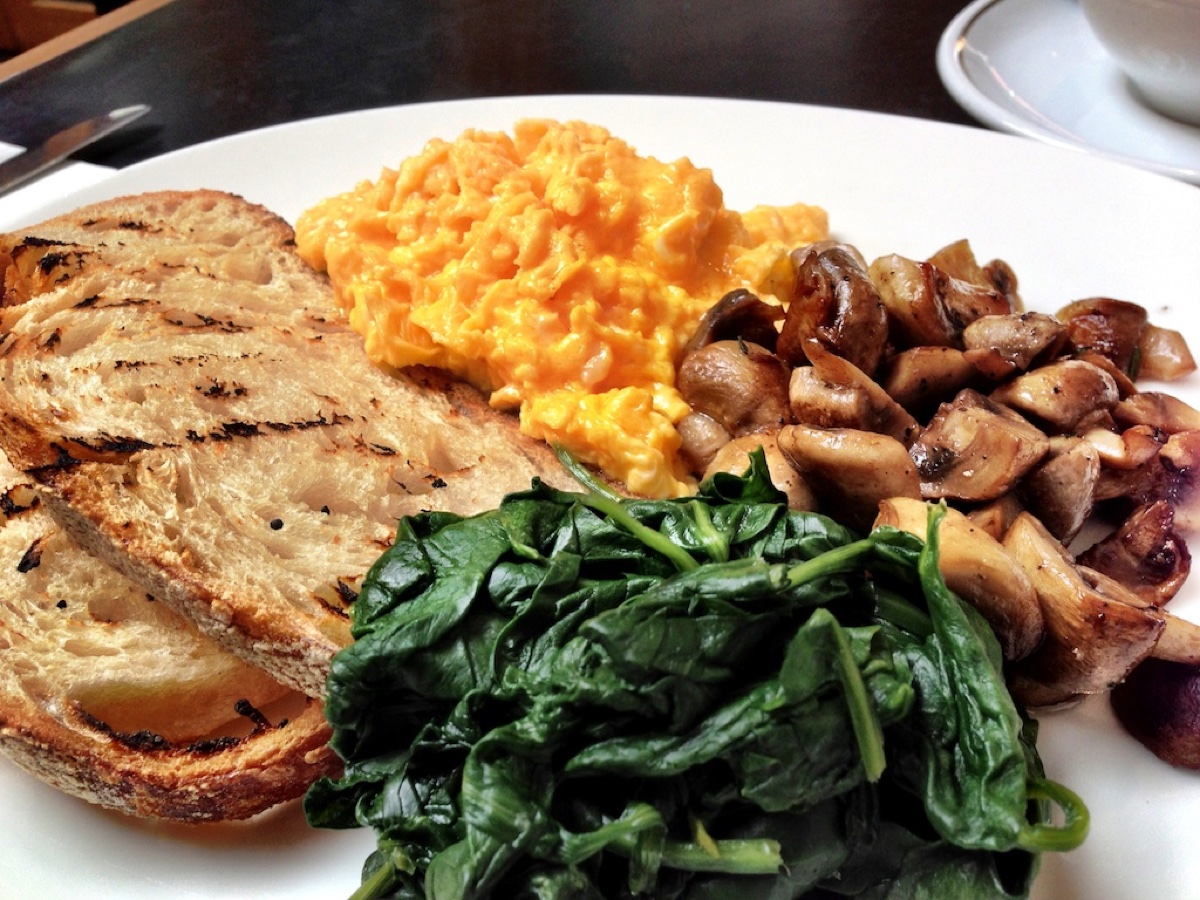
The Eggs-and-Greens Focus Bowl
Soft-scrambled eggs, wilted greens, and a slice of good sourdough — built around blood sugar stability, not a fry-up.
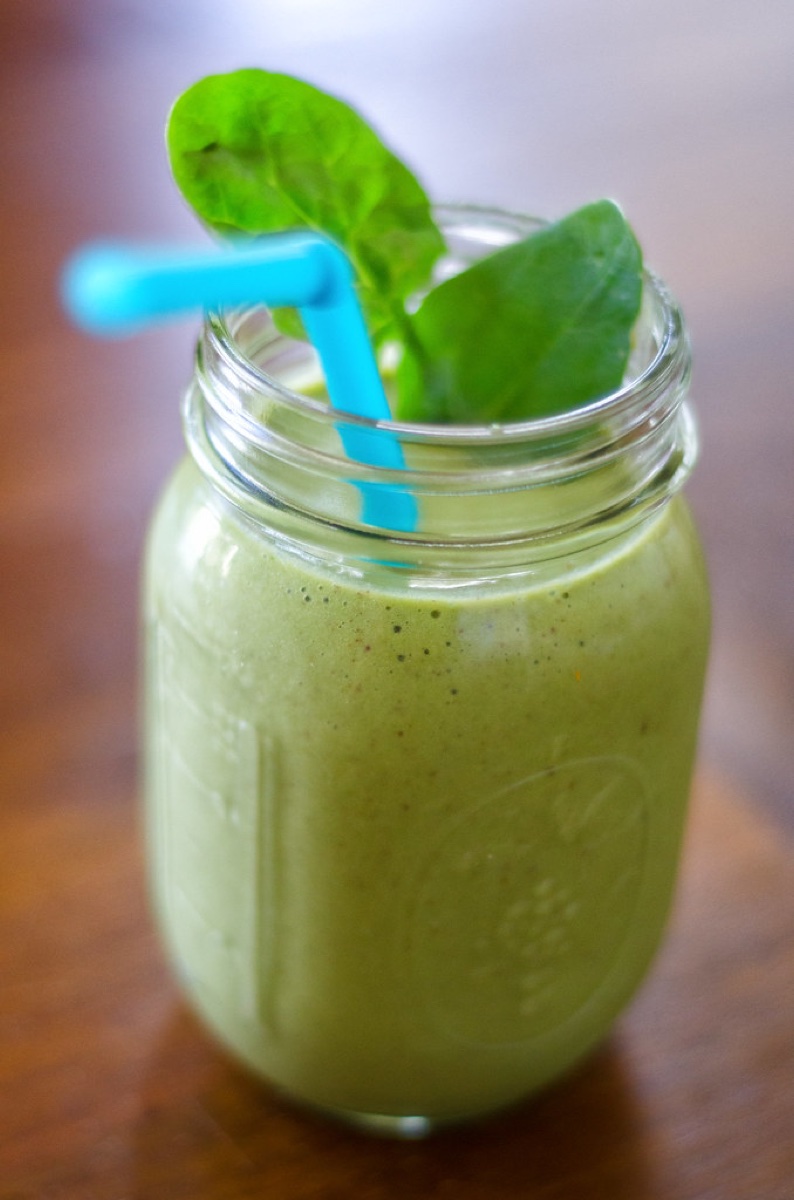
The Afternoon Focus Smoothie
Frozen banana, spinach, peanut butter, and milk — built to stop the 3pm crash without a sugar spike doing it.

What to Eat Before a Long Focus Block
The mechanics of blood sugar and attention, and what to actually eat before three or four hours of uninterrupted deep work.