What to Eat Before a Long Focus Block


If you’ve ever started a focus block sharp and finished it foggy an hour in, the food from three hours earlier is a more likely explanation than a lack of discipline. What you eat before deep work shapes how stable your attention stays through it — not through some mystical “brain food” property, but through a mechanism that’s straightforward once you see it.
The mechanism, in plain terms
Your brain runs on glucose, and it’s a picky customer — it wants a steady supply, not a flood followed by a drought. A meal or snack high in fast carbohydrate and low in everything else (a pastry, a sugary coffee, white toast with jam) spikes blood glucose quickly, which triggers an insulin response that then drops it — sometimes below where it started. That drop is where the fog, the irritability, and the sudden craving for another hit of sugar all come from.
A meal with protein, fibre, and some fat alongside the carbohydrate slows the whole process down. Glucose still rises, but gradually, and the crash on the other side is shallower or doesn’t happen at all. That’s the entire mechanism behind “eating for focus” — it’s blood sugar stability, not a specific magic ingredient.
What this looks like on a plate
Protein is the anchor: eggs, Greek yoghurt, cottage cheese, or leftover meat from the night before. Fibre from vegetables or whole grains slows digestion further. A small amount of fat — butter, olive oil, nuts, avocado — rounds it out and adds to the slow-release effect. None of this needs to be elaborate; eggs and greens covers all three in under fifteen minutes.
What to be more careful with directly before a long block: fruit juice, white bread and jam, pastries, and sugary coffee drinks on their own. None of these are forbidden — they’re just poorly timed if you’re about to sit down for three or four hours and need your attention to hold steady, not spike and crash forty minutes in.
Timing matters almost as much as content
Eating immediately before sitting down isn’t necessary or even ideal — digestion itself pulls some blood flow and attention toward your gut, which is why a genuinely heavy meal can make you sluggish rather than sharp. Thirty to sixty minutes before a focus block tends to work better than eating at your desk the moment you open your laptop.
What about skipping the meal and just working
Skipping food before a long block doesn’t remove the blood-sugar problem, it just changes its shape — instead of a spike and crash, you get a slow decline as glucose runs low with nothing behind it, plus the additional distraction of active hunger partway through. Neither pattern is better for sustained attention than a stable, moderate meal beforehand.
A simple pre-block checklist
Protein, yes. Some fibre, yes. A little fat, yes. Large amounts of fast carbohydrate alone, not right before — save the pastry for after the block, when a quick glucose hit and its comedown matter less because you’re not relying on steady focus for the next few hours anyway. This isn’t about eliminating anything; it’s about sequencing food around what you’re actually asking your attention to do.
Frequently asked questions
What if I don't have time to eat before a focus block?
Something small and protein-forward beats nothing — a handful of nuts and a piece of fruit, or leftover protein from dinner, takes under two minutes and still helps more than starting the block on an empty stomach or on coffee alone.
Does caffeine help or hurt this?
It helps focus in the short term but doesn't replace food, and on an empty stomach it can amplify the jittery, unfocused feeling that a blood sugar crash produces on its own. Coffee with food, not instead of it, before a long block.
Related guides and recipes
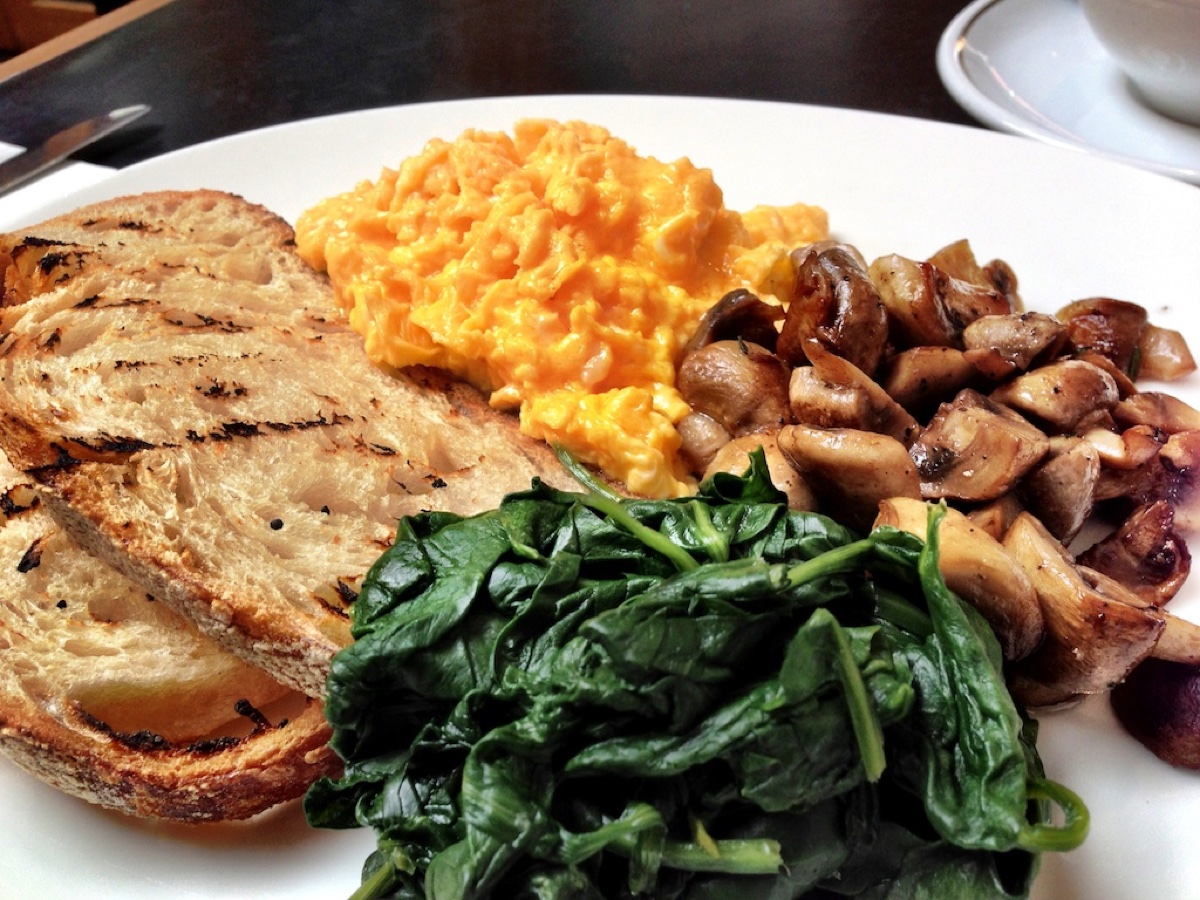
The Eggs-and-Greens Focus Bowl
Soft-scrambled eggs, wilted greens, and a slice of good sourdough — built around blood sugar stability, not a fry-up.
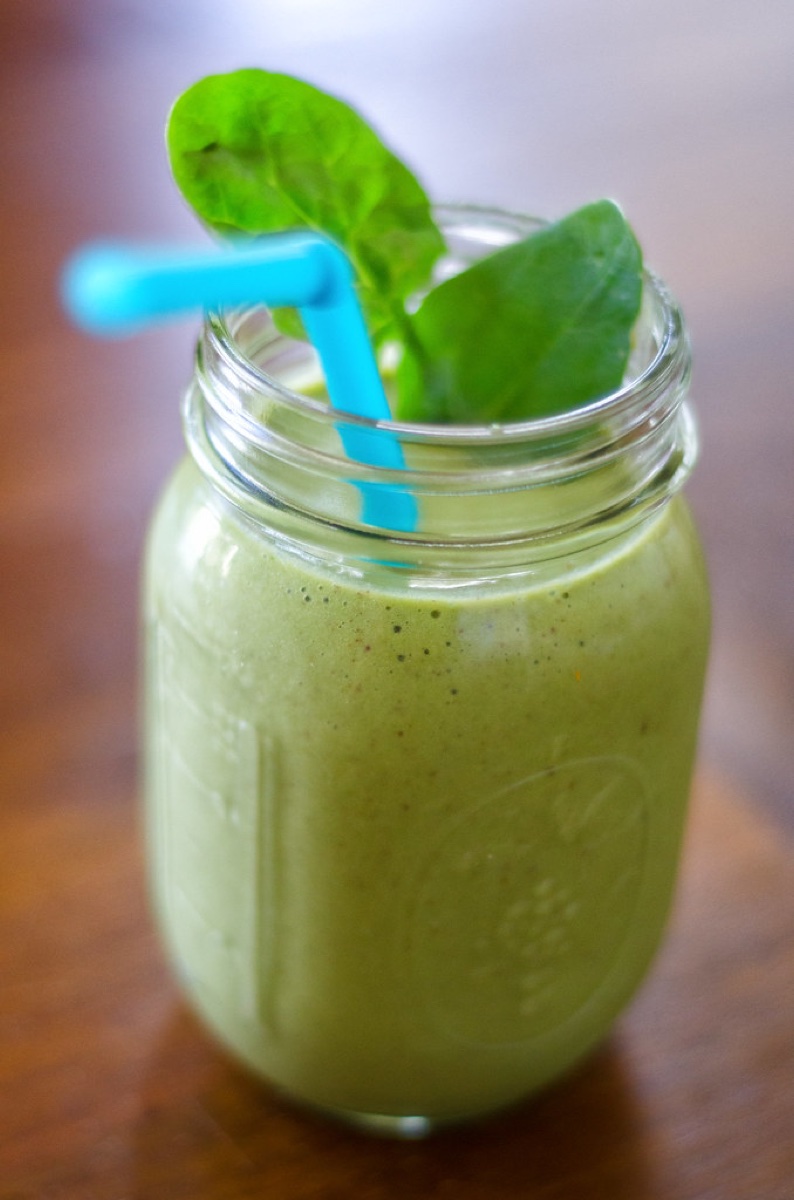
The Afternoon Focus Smoothie
Frozen banana, spinach, peanut butter, and milk — built to stop the 3pm crash without a sugar spike doing it.
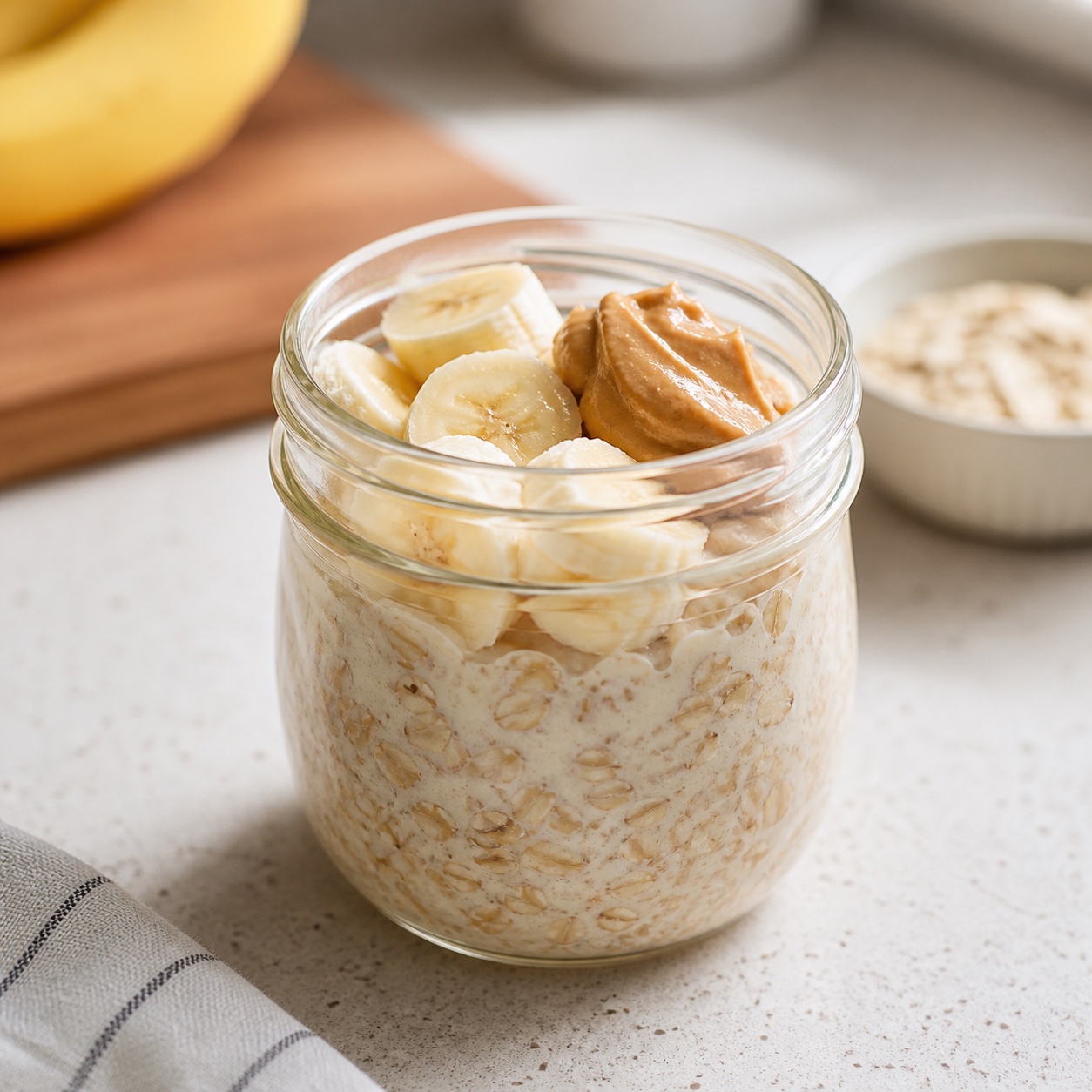
Overnight Protein Oats
Oats, protein, and milk left in the fridge overnight — breakfast that's already finished by the time you're awake enough to make decisions.

Fuel for Sprints: Eating Around a Deadline Week
The specific eating pattern that holds up during a development sprint or any other stretch of consecutive long, high-focus days.